Hargele Hamole

Hargele Hamole

Hargele Hamole

Hargele Hamole

July 2025
Home2025July
Uncategorized
July 28, 2025 By admin

How I Size Up Risk and Track a DeFi Portfolio — Practical Steps for the Modern Web3 User

Whoa! This whole DeFi risk thing can feel like standing at a crowded trading floor while blindfolded. My first instinct was to follow flashy APYs. Seriously? That lasted two bad weekends. Initially I thought yield alone told the story, but then realized protocol design, token mechanics, and counterparty exposure usually mattered more. Hmm… somethin’ about chasing returns felt off, and my gut kept saying “check the flows, not just the numbers.”

Okay, so check this out—risk assessment in DeFi isn’t a single metric. It’s a mesh of on-chain signals, off-chain governance risks, and human factors that slip into smart contracts. Medium-term events like upgrades or treasury moves can flip a “safe” pool overnight. Long-term considerations—protocol composability, oracle reliance, and token distribution—shape how much capital you should allocate. I’ll be honest: I still get surprised sometimes. But over time a pattern emerged—diversify by risk type, not just by token name.

Start with simple questions. Who controls upgrade keys? How connected is the smart contract to other protocols? Are the oracles decentralized? Really ask who benefits from a failure. Short timelines matter too. If you need liquidity next month, that high-APY vault may be a trap. On the other hand, holding for multi-year upside can tolerate different risks. On one hand you want yield. On the other hand you need survivability—though actually, those two often clash.
Hand-drawn flowchart of portfolio risk layers with protocol, oracle, and liquidity lines

Practical framework I use most nights: three-layer mapping. First, systemic risk — how much of your portfolio is dependent on a single ecosystem (e.g., one L2 or one lending protocol). Second, protocol risk — contract complexity, audits, bug bounty history, and how upgrades are governed. Third, execution risk — user error, private key exposure, and transaction failures. Put numbers on each layer, even rough ones. It makes trade-offs visible. This is not perfect. It’s human. And yes, it can be messy. But that messiness often reveals where you’re dangerously clustered.

Portfolio tracking then becomes surveillance, not just accounting. I want alerts on rebalancing thresholds, token price drift, and abnormal contract interactions. Real-time transaction simulation helps me avoid costly mistakes—previewing gas, slippage, and internal swaps before hitting send. Tools that simulate transactions reduce dumb mistakes. (oh, and by the way…) practicing the flow on a testnet or with tiny amounts is still the best humility check.

Why transaction simulation and multi-account visibility matter — and how rabby wallet fits in

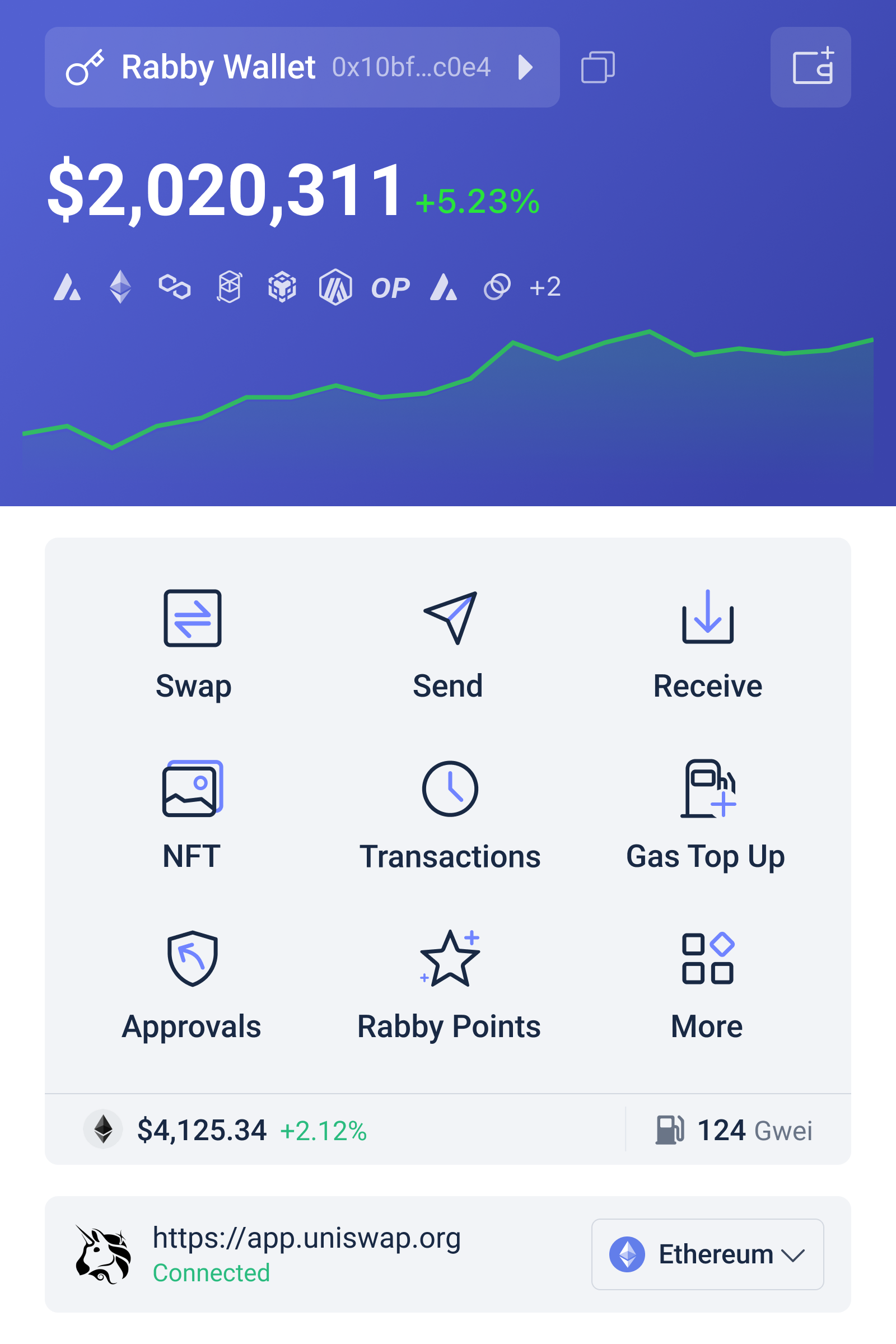
Here’s what bugs me about many wallets: they show balances but don’t adequately preview what will actually happen when you interact with a complex DeFi contract. That’s where transaction simulation matters most. It shows you intermediate steps and potential token flows, and it can expose hidden swaps or approvals that would otherwise be surprise charges. I’m biased, but having those previews built into your workflow saves time and money. For an experience that bundles simulation, multi-account tracking, and clear UX, I rely on rabby wallet during active sessions.

Think of simulation like a rehearsal. You run the move and catch the stumble before the curtain rises. It’s especially critical with batched transactions or contracts that route through multiple pools. If the execution path surprises you, pause. Seriously. Your instinct to “just go” is often your worst enemy. And when you manage multiple accounts—hot wallets for trades, cold wallets for long-term holdings—you need a dashboard that aggregates exposure without exposing keys. That division reduces the chance you’ll accidentally bridge the wrong amount or sign a malicious contract.

Risk scoring isn’t binary. Assign weights. I typically weight systemic risk 40%, protocol risk 35%, execution risk 25%, though those percentages morph depending on time horizon. For a short-term trade, execution risk jumps. For a long-term hold, protocol governance becomes heavier. Initially I used equal weights. Actually, wait—let me rephrase that—I started with equal weights, then adjusted after a painful replay where an oracle outage tanked multiple positions. Live and learn. Very very important: keep the scoring adaptive.

Some operational habits that helped me sleep better: use hardware wallets for large positions, keep a small hot wallet for day trades, pre-approve only the tokens you need, and revoke stale approvals monthly. Automate alerts for large on-chain movements tied to your positions, and subscribe to governance forums for the projects you hold. But don’t rely only on Discord noise. Cross-check proposals with on-chain data. On one hand social sentiment moves fast. On the other hand on-chain flows reveal actual intentions.

Quant tools help. Set stop-loss logic in your head and on-chain guardrails when possible. Model hypothetical slippage scenarios and gas spikes before committing. I run “what-if” scenarios—10% slippage, 50% liquidity withdrawal, oracle skew—and note which positions break first. Those scenarios force prioritized hedging. The goal isn’t perfect prediction. It’s survivable positioning.

Now some human stuff. I still get greedy. I still click too fast sometimes. That humility is useful. It keeps me implementing friction—timers, two-step confirmations, and mental checklists—that interrupt autopilot. When you design for moments where you might screw up, you reduce execution risk. Small protocols with big incentives look addictive. Pause. Ask: am I compensated for the concentrated risk?

FAQ

How often should I rebalance my DeFi portfolio?

Depends on volatility and your time horizon. Weekly for active strategies. Monthly for longer holds. More important than cadence is a rule set—thresholds for when you act, not emotional reactions when markets swing. Also, account for gas and tax friction.

Can transaction simulation catch every attack?

No. Simulation surfaces many execution risks and obvious hidden swaps, but it can’t fully predict governance malfeasance or novel flash-loan exploits. Use it as one layer, not a silver bullet. Combine it with audits, bounties, and conservative sizing.

READ MORE
Uncategorized
July 26, 2025 By admin

Pinco Казино : официальный сайт – вход на зеркало : онлайн казино

Пинко казино – Официальный сайт Pinco играть онлайн | Зеркало и вход

▶️ ИГРАТЬ

Содержимое

  • Пинко казино – Официальный сайт Pinco играть онлайн

  • Зеркало Pinco казино

  • Преимущества зеркала Pinco казино

  • Вход на официальный сайт Pinco казино

В современном мире азартных игр, где каждый день становится все более популярным, казино Pinco является одним из наиболее надежных и популярных игроков на рынке. Компания была основана с целью создания комфортной и безопасной среды для игроков, где они могут насладиться игрой и получать удовольствие.

Официальный сайт Pinco – это место, где игроки могут играть в различные азартные игры, включая рулетку, бинго, слоты и другие. Сайт доступен на русском языке, что делает его доступным для игроков из России и других стран, где русский язык является официальным.

Кроме того, на официальном сайте Pinco игроки могут получать различные бонусы и акции, которые помогут им начать игру с преимуществом. Бонусы и акции могут быть получены в виде денежных средств, бесплатных спинов, дополнительных баллов и других преимуществ.

Для обеспечения безопасности игроков, сайт Pinco использует современные технологии и системы безопасности, чтобы защитить личные данные и финансовые операции игроков. Это позволяет игрокам чувствовать себя уверенно и безопасно, играя на официальном сайте Pinco.

Если вы хотите играть на официальном сайте Pinco, но не знаете, как это сделать, не беспокойтесь. Мы готовы помочь вам в этом. Мы предоставляем зеркало сайта Pinco, которое позволяет игрокам играть на официальном сайте, не оставляя им возможности для ошибок.

Также, на нашем сайте вы можете найти информацию о входе на официальный сайт Pinco, а также о других важных аспектах, связанных с игрой на этом сайте. Мы готовы помочь вам в любое время, если у вас возникнут вопросы или проблемы.

Важно! Помните, что игра на азартные игры – это риск, и игроки должны быть готовы потерять свои деньги.

Пинко казино – Официальный сайт Pinco играть онлайн

Официальный сайт Pinco – это место, где игроки могут играть в любое время и из любого места, имея доступ к интернету. Сайт регулярно обновляется, чтобы обеспечить игрокам наилучшие условия для игры. Вам не нужно беспокоиться о безопасности своих данных, потому что сайт Pinco использует современные технологии для защиты информации.

Pinco зеркало – это дополнительный способ доступа к официальному сайту, который позволяет игрокам играть в казино, не зависящий от доступности основного сайта. Это особенно полезно в случае, если основной сайт временно недоступен.

Вход на официальный сайт Pinco – это простой и быстрый процесс. Вам нужно только зарегистрироваться, указав некоторые личные данные, и вы сможете начать играть в казино. Вам не нужно беспокоиться о безопасности своих данных, потому что сайт Pinco использует современные технологии для защиты информации.

Pinco – это лучшее место для игроков, которые ищут безопасный и надежный способ играть в онлайн-казино. Официальный сайт Pinco – это место, где игроки могут играть в любое время и из любого места, имея доступ к интернету.

Зеркало Pinco казино

Зеркало Pinco казино – это пинко зеркало веб-версия официального сайта Pinco казино, которая позволяет игрокам играть в онлайн-казино Pinco из любой точки мира. Это означает, что игроки могут играть в любое время и из любой точки мира, не зависящий от местоположения.

Преимущества зеркала Pinco казино

Зеркало Pinco казино имеет несколько преимуществ перед официальным сайтом Pinco казино. В числе которых:

Быстрый доступ – игроки могут играть в казино Pinco с помощью зеркала, не дожидаясь открытия официального сайта.

Безопасность – зеркало Pinco казино обеспечивает безопасность игроков, защищая их личные данные и финансовые операции.

Удобство – зеркало Pinco казино позволяет игрокам играть в любое время и из любой точки мира, не зависящий от местоположения.

В целом, зеркало Pinco казино – это отличный способ играть в онлайн-казино Pinco, не зависящий от местоположения и обеспечивая безопасность игроков.

Вход на официальный сайт Pinco казино

В современном мире игорного бизнеса, где каждый день появляются новые онлайн-казино, найти достоверный и надежный игрок может быть сложной задачей. Однако, если вы ищете официальный сайт Pinco казино, то вы на правильном пути. В этом разделе мы рассмотрим, как найти и использовать официальный сайт Pinco казино.

Для начала, вам нужно знать, что официальный сайт Pinco казино – это место, где вы можете играть в различные игры, включая слоты, карточные игры, рулетку и другие. Это также место, где вы можете получать бонусы, участвовать в турнирах и получать другие преимущества.

Чтобы найти официальный сайт Pinco казино, вам нужно открыть браузер и ввести в адресную строку адрес сайта. Вам может потребоваться регистрация, чтобы начать играть. Вам также может потребоваться подтверждение email, чтобы подтвердить вашу регистрацию.

После регистрации, вы сможете начать играть в различные игры, включая слоты, карточные игры, рулетку и другие. Вы также сможете получать бонусы, участвовать в турнирах и получать другие преимущества.

Кроме того, официальный сайт Pinco казино предлагает зеркало, которое позволяет игрокам играть в казино, не открывая официального сайта. Это может быть полезно, если официальный сайт заблокирован в вашей стране или если вы не можете открыть его из-за какой-то причины.

В целом, официальный сайт Pinco казино – это отличное место для игроков, которые ищут развлечения и возможные выигрыши. Мы рекомендуем вам открыть официальный сайт Pinco казино и начать играть в различные игры.

READ MORE
Uncategorized
July 13, 2025 By admin

How I Hunt Trending Tokens: A Trader’s Take on Pair Explorers and Trading Pairs

So I was mid-scroll the other night, watching an odd spike in liquidity on a weird token pair. Wow! My gut said somethin’ felt off. At first it looked like just another meme pump, but then the pattern repeated on a different chain and my instincts nudged me harder—check the pair explorer. Initially I thought that volume alone told the story, but then I realized volume can be fabricated, and you need more context to separate noise from a real setup.

Okay, so check this out—pair explorers are the underrated daily-driver for DEX traders who hunt early movers. Really? Yes. They let you zoom into trading pairs, see real-time swaps, liquidity depth, and the kind of activity that typical orderbooks hide. On one hand the dashboard gives clean metrics; on the other hand you still need an eye for sleight-of-hand tactics like wash trading and liquidity locks that only show up if you connect dots across time and wallets. I’m biased—I’ve been boots-on-the-ground in small-cap DEX hunting for years—so I favor sharp, practical checks over fancy charts that look nice but don’t save you from a rug.

Here’s the pragmatic checklist I use when a pair pops on my radar. Short version first. Then we’ll unpack each item. Whoa!

1) Liquidity composition — who added it and when. 2) Recent large buys — are they organic or a single wallet? 3) Price impact on small trades — how fragile is the market? 4) Token contract flags — taxes, renounce, verified source. 5) Social and on-chain cross-checks — are mentions matching on-chain flows? 6) Trending momentum vs sustainable liquidity build — which is this?

Let me walk through each with examples and some real habits that actually work.

Why trading pairs matter more than token tickers

Pair explorers flip the script from “ticker watching” to “pair watching.” Hmm… it’s subtle but crucial. A token can have tens of pairs across chains and DEXes, and the primary pair — whether it’s token/ETH, token/USDT, or token/BNB — reveals a lot about who is trading it and how easily you can exit. Medium trades often tell the truth; huge one-offs scream manipulation. On a recent scan I noticed a token had two large buys on the ETH pair and none on USDT. That mismatch suggested coordinated activity from liquidity providers, not broad market interest.

Look at liquidity composition first. If one wallet provides 70% of the pool, you are trading against a party that can yank liquidity. Short sentence. If that wallet is also the deployer, red flag. If the LP is locked in a verified contract and multiple wallets added liquidity at different times, that’s a good sign. But don’t get lazy—I’ve seen locked LPs with a tiny unlock multiplier still leaving room for extraction, so size matters.

Next: transaction granularity. Small buys spread across many wallets over hours or days usually indicate distributed interest. A single whale buy followed by sell pressure within minutes? Hmm… my instinct said caution, and that paid off once when I bailed before a 70% dump. On-chain histories show these patterns if you know where to look. The pair explorer makes that visible fast.

Also watch trade sizes versus price impact. If a $100 swap moves the price 20%, the pool is fragile. If a $10k order barely flinches, there’s real depth. Simple math helps here: price impact roughly equals order size over pool depth (adjusted), so having a mental calculator is helpful. I’m not gonna lie—sometimes I eyeball it and second-guess, then get more precise. Actually, wait—let me rephrase that… I often eyeball first, then verify with numbers.

Screenshot of a pair explorer showing trades and liquidity

How I use a pair explorer day-to-day (practical workflow)

I open the pair explorer early and again during peak hours. Whoa! That quick scan catches trending tokens before broader feeds pick them up. Step one: filter by chains I trade on. Step two: sort by recent volume spikes and low liquidity. Step three: manually open the top 3 pairs and watch last 100 swaps. Short thought.

What I’m looking for while watching swaps: repeated buys from distinct addresses, buy-side accumulation with tapering sell pressure, and whether the token’s router calls are standard or obfuscated. If I see multiple buys that increase price gradually, that’s momentum. If I see a buy that pumps 200% and then a bunch of tiny sells, that’s likely a liquidity-grab pump. On one occasion, a token pumped 400% within five minutes with multiple tiny sells afterward—my instinct said run. I did.

Another tactic: time-window correlation. Look at pairs that trend within the same 15–30 minute windows across blockchains. That synchronization often signals coordinated cross-posting in channels or bots pushing the same token. It can go both ways—sometimes it’s organic meme energy, other times it’s bot amplification engineered to trigger liquidity hunters. So you must interpret context. On-chain signals alone tell half the story; you need off-chain social cues too.

Okay, here’s the nerdy part that actually matters—contract-level checks. Does the token have transfer taxes? Is the contract verified on block explorers? Are ownership controls renounced? These are baseline checks. Seriously? Yes. A token can have a “sell tax” that triggers only after certain blocks, and you won’t know until you read the contract or see it in the pair explorer’s token metadata. If you’re not sure how to read a solidity snippet, look for red flags: obfuscated code, hardcoded owner addresses, or functions that restrict transfers. If you don’t understand it, treat it as risky. I’m not 100% fluent in every new contract pattern, so when in doubt I keep position sizes tiny or skip.

One more tool: liquidity event history. Did LP get added and then partially removed repeatedly? Are tokens paired with a smorgasbord of stablecoins or mostly with native tokens that make exits messy? A smart liquidity provider will seed stablecoin pools for easy exits; sketchy projects tend to lean on native-token pools where exit slippage becomes a weapon against sellers.

Filters, alerts, and automation — use them, but don’t worship them

Pair explorers often offer filters and alerting. Use them. Set alerts on sudden liquidity changes and large buys over a threshold you choose. But beware: automation magnifies cognitive bias. If your filter is set to “volume spike,” you’ll get spammed with fabricated spikes. So tune thresholds and combine multiple triggers—volume spike plus new liquidity plus contract verification—before you get the notification. Hmm… that sounds obvious, but many traders rush in on the first buzz. I did too, once. Oof.

Here’s a simple alert combo I rely on: new pair + verified contract + >$5k net new liquidity + multiple distinct buyer addresses within 15 minutes. That combo weeds out a lot of pump-and-dump noise. It’s not perfect. Nothing is. But it’s a lot better than chasing every green candle.

Also, set sell-side safety rules. Define your maximum scalp size and worst-case slippage, and stick to it. Many traders talk about risk management but ignore pre-trade exit conditions. If you’re going to scalp trending tokens, build your exit before entering. Seriously, writing it down helps.

Red flags that have cost me money (so you don’t repeat)

1) One-address liquidity: immediate skip. 2) Recent token mint by deployer that keeps reassigning balances. 3) Obfuscated ownership or “onlyOwner” functions that can pause transfers. 4) Large transfers to dex routers shortly before price moves. 5) Social activity that spikes after on-chain whales move, not before. These patterns repeat. I’ve built muscle memory to spot them in 30 seconds, and it saves more than one bad trade.

One story: a token looked legit—verified contract, lock on the LP, decent social chatter. But the pair explorer showed a repeated pattern where a specific wallet would add tiny amounts of liquidity before big buys, then that wallet would remove sizable chunks at night. I ignored the itch to investigate and took a small position. It turned into a nightmare. Not a great feeling. That part bugs me—still does. Ever since, I check wallet histories for LP add/remove cadence before sizing in.

Pro-tip: use trend divergence as a sanity check. If social mentions are skyrocketing but pair activity is limited to a handful of whales, that divergence suggests attention is being faked via cross-posting rather than real broad interest. If both social and on-chain volume rise together, that’s more convincing—though still not a guarantee.

Where to find reliable pair explorer data

If you want a solid, single point of truth to start with, bookmark a trustworthy explorer and make it part of your morning routine. I use a few, but one I return to often is dexscreener. It surfaces pairs, cross-chain activity, and recent swap history in a way that helps me make fast, informed calls. That’s my main anchor during scans, though I cross-check with block explorers and token trackers before sizing a trade.

Okay, quick caveat—no tool replaces judgment. Tools speed discovery and surface pattern anomalies, but they also amplify your mistakes if you misinterpret signals. On one hand the pair explorer is a microscope; on the other hand it’s only as useful as the person looking through it. I’ll say it again: trust but verify, and scale positions conservatively until you build confidence in a new signal type.

FAQ

How big should my initial position be when testing a new trending pair?

Start tiny. Many pros risk <1% of capital on first engagement for a new small-cap pair. If the pair proves robust across volume, liquidity growth, and on-chain distribution over several sessions, scale up gradually. This helps you survive mistakes and learn patterns firsthand—slow and steady beats impulsive FOMO.

What’s the single fastest red flag to ignore a pair?

One wallet controlling the majority of LP. If the deployer or a small set of addresses own most of the pool, treat it like a ticking time bomb. Move on—there’s always another pair to analyze.

Can pair explorers spot bots and wash trading?

They can surface suspicious patterns like repeated small buys/sells from related addresses or swaps that correlate with wallet clusters, but they don’t always identify intent. Use them to flag anomalies and then dig into wallet histories, timestamps, and cross-chain behavior to confirm whether it’s bot-driven manipulation or genuine retail interest.

To close—I’m more curious now than when I started writing this. Initially I was excited about technical features, though actually my biggest lessons came from small mistakes and messy trades. My tone shifted from eager to cautious to adaptive. Something felt off until I tested habits against reality, and now I treat pair explorers like a trusted co-pilot rather than gospel. If you’re hunting trending tokens, make the pair your unit of analysis, practice quick sanity checks, and keep your ego out of trade sizes. You’ll sharpen faster, lose less, and laugh more when a whimster token implodes—well, at least you’ll save yourself the worst of it…

READ MORE

Recent Posts

  • Guide pour se connecter à Instant Casino sur mobile
  • Guide des paris sportifs sur Instant Casino sports et cotes
  • Advantages and Disadvantages of Remember Me Feature at Fair Go Casino Login
  • Beliebteste Spielautomaten Spiele im Pistolo Casino Vergleich
  • Starzino Casino Blackjack Strategieën voor Beginners en Gevorderden

Recent Comments

  1. Farell Colins on Set of Big Parcels
  2. David Parker on Set of Big Parcels
  3. Farell Colins on Premium Small 1-2kg
  4. David Parker on Premium Small 1-2kg
  5. Farell Colins on Premium Big Parcels

Archives

  • February 2026
  • January 2026
  • December 2025
  • November 2025
  • October 2025
  • September 2025
  • August 2025
  • July 2025
  • June 2025
  • May 2025
  • April 2025
  • March 2025
  • February 2025
  • January 2025
  • November 2023
  • September 2023
  • August 2023
  • June 2023
  • May 2023
  • April 2023
  • December 2022
  • June 2021

Categories

  • PACKAGE
  • Uncategorized
Categories
  • PACKAGE1
  • Uncategorized337
Popular Tags
delivery logistics trends
Gallery

Copyright © 2021 Transmax by WebGeniusLab. All Rights Reserved