Uncategorized
Whoa! I landed on Solana analytics by accident, and my curiosity spiked. There was a tangle of transactions I couldn’t reconcile at first. Initially I thought the problem was a wallet mismatch, but then realized the on-chain events told a different, richer story that required a purpose-built explorer to untangle. My instinct said: follow the data, not the rumor, and then verify timestamps, block signatures, and account histories to be sure you’re not chasing folklore.
Seriously? Solana moves fast; blocks confirm in milliseconds, so patterns emerge quick, but that speed also means noise accumulates and bad actors can iterate strategies in minutes, not days. I used an explorer to trace token flows and NFT provenance step by step. On one hand the network’s speed felt liberating for creators, though actually the same speed amplifies obfuscation when wallets interact through multiple programs across layered instructions that aren’t always easy to follow. Something felt off about some mints; fees didn’t match the narrative.
Whoa! I leaned on visual timelines, and those timelines illuminated odd spikes that only made sense when overlaid with token mint timestamps and program instruction sequences. NFT trackers showed transfers to dust accounts that later aggregated into a single bidding wallet. Initially I thought it was wash trading, but then I dug deeper and found a mix of legitimate collectors, warmed test accounts, and scripted bots that seeded liquidity as if rehearsing a play, which made attribution messy. I’ll be honest, the opacity still frustrates me a lot.
How I use explorers for Solana forensics
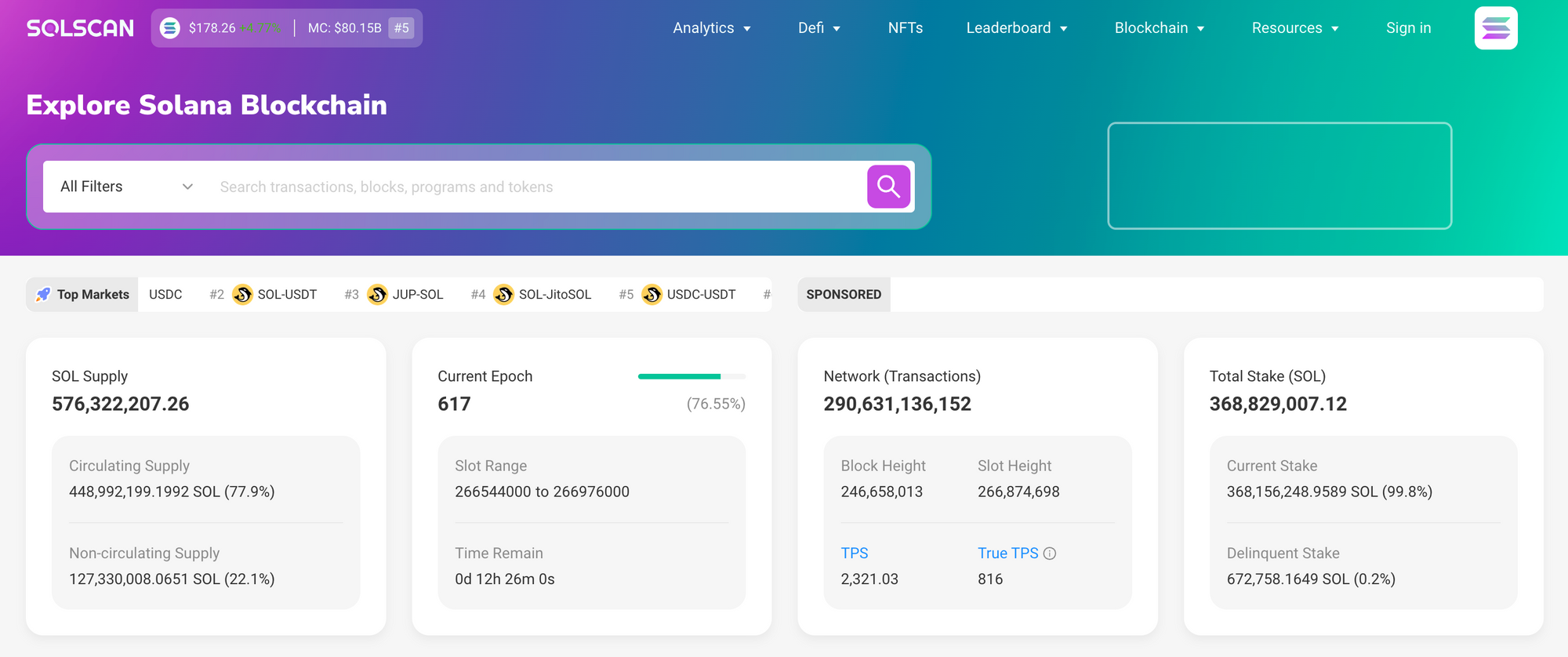
Hmm… So I started using an solscan explorer that could parse inner instructions and token metadata, allowing me to attribute changes to specific program calls rather than guessing from balance deltas. Actually, wait—let me rephrase that: what I needed was not just parsing, but a UI that surfaces who interacted with a mint, when the ownership changed, and why a swap routed through multiple programs before settlement. That clarity sped up investigations and prevented false positives. Check this out—visual filters let me compare collections quickly.
Whoa! I cross-referenced bidding histories with wallet reputations and found patterns. The NFT tracker flagged repeated metadata swaps before listings went live. On one hand this looks like careful market making; though actually, forensics showed coordinated drops timed with influencer posts, which raises very very important questions about disclosure and front-running on secondary markets. My instinct said follow volume, velocity, and the top transactors.
Really? You can export CSVs, build dashboards, and share snapshots with teams. Initially I thought screenshots would suffice for audits, but then realized an auditable CSV with timestamps and block signatures is far superior when compliance or legal chain-of-custody questions arise. I’m biased, but reusable queries saved me multiple hours weekly. Also, alerts notify you when large holders move or collections suddenly spike.
Wow! There are quirks though, like token decimals and wrapped accounts that trip novices up. On the technical side, a challenge is that Solana’s programs can nest cross-program invocations, so a simple transfer might actually represent a series of state changes across several contracts, which complicates naive heuristics. That complexity means heuristics need testing against labeled cases. I’ve rebuilt queries more than once because of edge behaviors.
Whoa! Privacy isn’t solved either; wallets can be pseudonymous and still coordinate off-chain. On one hand analytics expose many relationships, though actually attribution often needs corroboration like on-chain signatures combined with social proofs or KYCed marketplaces, which steps outside the explorer’s domain. I sometimes reached out to creators directly to confirm provenance. Oh, and by the way—marketplaces differ in how they record fees and royalties.
Hmm… For power users, program-level traces are indispensable when investigating rug pulls. Initially I thought most scams were simple drains, but later I learned that sophisticated attackers orchestrate multi-step exits using escrow-like programs and temporary authority delegations to obfuscate provenance and timing. A good explorer surfaces instruction logs and token balances before and after each step. Those transaction snapshots are invaluable during postmortem investigations and reporting.
Seriously? If you’re tracking NFTs, watch collection mints, rarity shifts, and cross-listings closely. On one hand rarity algorithms give quick signals though actually combining rarity with liquidity metrics, holder concentration, and history of transfers paints a more defensible valuation model that respects market behavior instead of just headline rarity scores. Use saved views to compare floor prices over custom epochs and export evidence for stakeholders. I’m not 100% sure about every analytic claim out there, but the right explorer — the one that balances speed, readable traces, and exportable proofs — changes how you make decisions on-chain and helps teams move quicker with more confidence, even when the ecosystem does somethin’ weird.
FAQ
What’s the quickest way to start tracing an NFT on Solana?
Start with the mint transaction: check the minter address, associated metadata, and immediate transfers. Then layer in timeline filters to watch for quick flips, and export a CSV for legal or compliance needs. I’m biased toward program-level traces, but those snapshots cut investigation time dramatically.